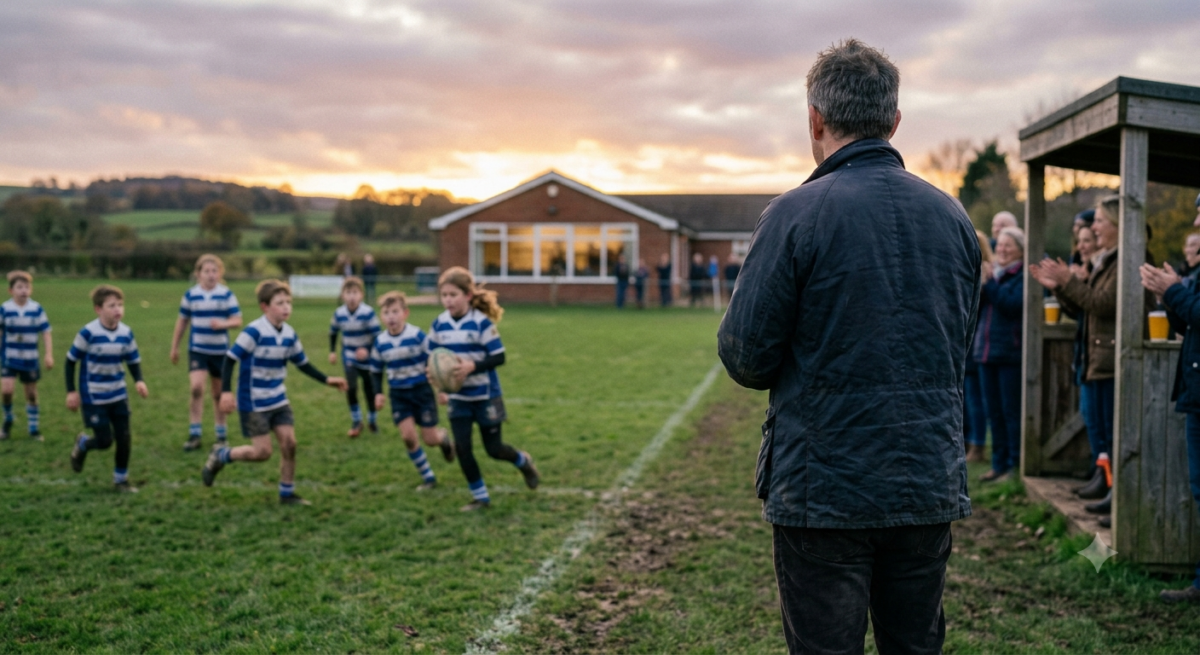
Cancer didn’t just change my health. It changed what I notice, what I value, and how deeply I feel the moments that matter.
When people talk about cancer, the focus is often on diagnosis, treatment, scans and recovery. We celebrate the end of treatment, the good news, and the return to “normal”.
But what happens when normal doesn’t quite come back?
In August 2022, I was diagnosed with stage pT3a nodular melanoma.
Like many people who receive life-changing news, I expected that moment to feel dramatic — fear, panic, a flood of emotion.
But strangely, I don’t remember feeling much emotion when I was told.
Looking back, I think I immediately moved into practical mode. I had a family to support. I had people around me who would be affected by this news. I needed to understand what was happening and reassure those I loved.
The biggest emotional moment wasn’t hearing the words “you have cancer”.
It was telling my family.
Seeing the reactions of the people I loved was harder than receiving the diagnosis myself. I could see their worry and their fear, and my instinct was to protect them.
Getting on with it
So I did what many people do.
I became the strong one.
I focused on the next step. I dealt with appointments, operations and treatment. My operations followed in October 2022, and the treatment journey was one of the hardest things I have ever experienced physically.
But I kept going.
In some ways, I even found unexpected positives during that period. Hospital visits were difficult, but I was struck by how kind the nurses were. During one of the hardest times of my life, I experienced genuine care and compassion from people whose job was simply to look after others.
At the time, I didn’t really stop to process any of this.
I just carried on.
The problem with “getting on with it”
After treatment finished, I expected to return to normal. Everyone around me probably expected that too.
But I wasn’t quite the same.
I became much more aware of how precious time is. I became less tolerant of things that felt wasteful or unimportant. I wanted to spend my energy on people and experiences that mattered.
At first, I saw this as just a change in personality. But I started noticing something else.
I became emotional at things that never used to affect me in the same way.
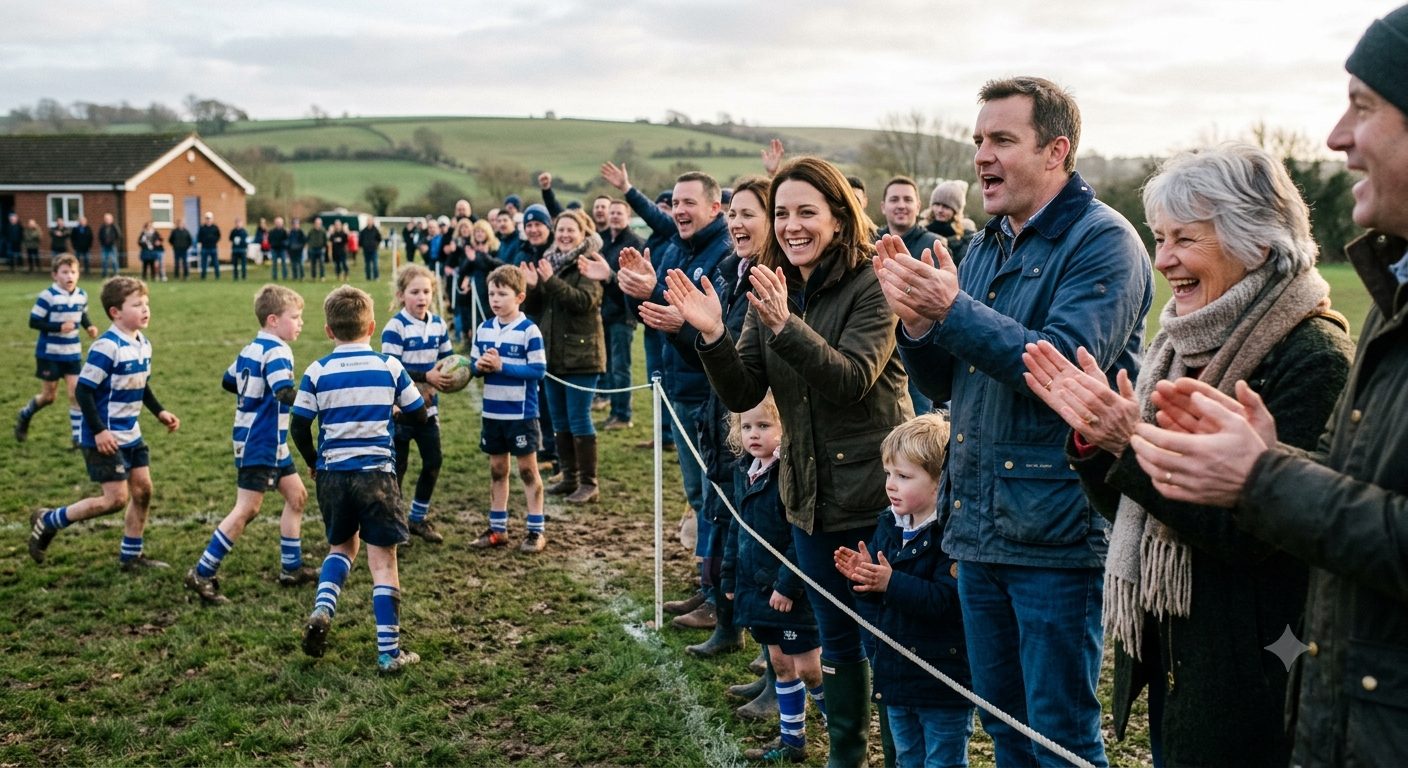
Not sad.
Emotional.
A child’s sports day. A local performance. A triathlon. A rugby tournament.
Especially when people cheered.
I could watch strangers being supported and encouraged and suddenly feel overwhelmed. I would see people trying their best, being celebrated, and something inside me would rise up.
I wouldn’t feel unhappy. I would feel full — full of pride, gratitude and appreciation.
Sometimes I would have to step away to compose myself.
For a long time, I thought this was a problem.
I thought I was failing because I couldn’t just enjoy the moment normally. I wanted to be fully present for my children, my wife, or the young people I coach in rugby. Instead, I felt like I was being pulled away by my own emotions.
Understanding what was really happening
Over time, I realised these moments weren’t really about sadness.
They were about meaning.
When I see someone trying hard, a team supporting each other, or someone completing a difficult challenge, I don’t just see the event in front of me.
I see courage.
I see effort.
I see people showing up for each other.
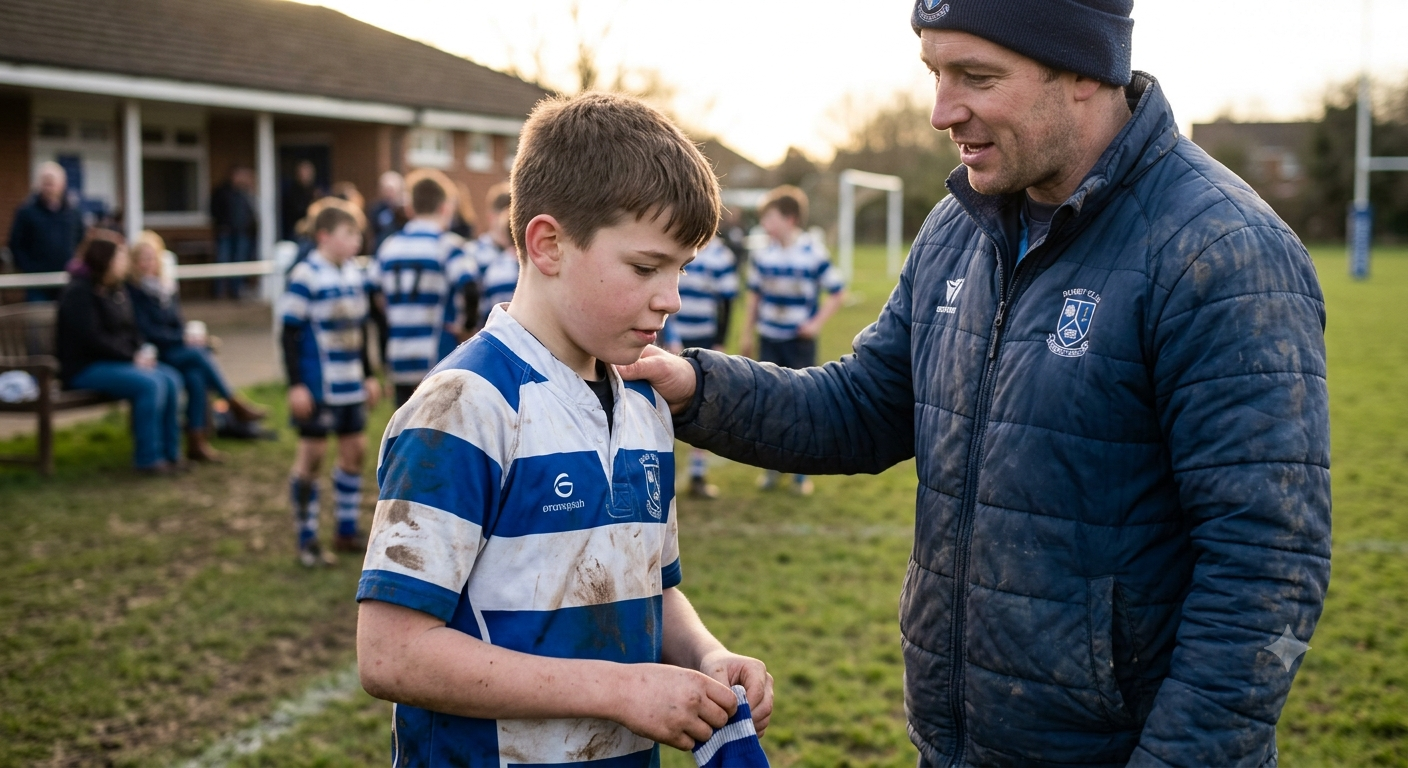
I see something that matters.
Cancer changed my relationship with those things.
Perhaps part of me is still processing what happened. Perhaps I didn’t allow myself to recognise how difficult it actually was because I got through it.
I sometimes found myself thinking that I was lucky, or that others had suffered more, or that I didn’t really have the right to feel affected because I came through it.
But the truth is that something can be hard even if you get through it.
Surviving an experience does not mean the experience was easy.
The person who protects everyone else
One of the biggest things I have realised is that my instinct has always been to protect others.
When I was diagnosed, I worried about the people I loved and how they would cope.
After cancer, I continued to do the same.
Even now, when I get emotional, I often hide it. If my wife notices, I make a joke. I don’t want the people closest to me to feel responsible for my emotions.
But I have started to understand that sharing emotions is not the same as making someone responsible for them.
There is a difference between:
“I need you to fix this for me.”
and:
“I want you to understand something about me.”
The second one is part of being close to someone.
Learning not to fight the emotion
I am learning that the goal is not to become less emotional.
That would mean losing something valuable.
The goal is to be able to feel the emotion and stay present.
Instead of:
“I need to stop this.”
I am trying to think:
“This is pride. This is love. This is gratitude. Stay here.”
When my wife completes a challenge, when my child achieves something, or when a young rugby player pushes themselves beyond what they thought they could do, I don’t want to miss the moment because I am busy trying to control my reaction.
I want to be there.
What I would say to someone else after cancer
If you know someone who seems to have changed after cancer, remember that surviving the illness does not necessarily mean returning to the person they were before.
They may have different priorities.
They may be more emotional.
They may be more protective of their time and energy.
They may struggle to explain what has changed.
They may not even fully understand it themselves.
And if you are that person, give yourself permission to recognise what you have been through.
You don’t need to have had the worst experience.
You don’t need to compare yourself with someone else.
You don’t need to justify why it affected you.
Cancer can leave physical scars, but it can also leave emotional changes that appear later, sometimes in unexpected places — like tears at a children’s sports day or pride watching someone you love cross a finish line.
Maybe those moments are not something to be embarrassed about.
Maybe they are reminders that we are still here, that people matter, and that life is worth showing up for.
Author note: This is my personal experience of life after cancer. Everyone’s diagnosis, treatment and emotional response will be different. I am sharing my story in the hope that it helps others understand the less visible ways that cancer can change us — and reminds people that needing time to process what happened is not a sign of weakness.